
 1-877-581-3396

Submitted by the Bond & Botes Law Offices - Friday, March 21, 2014
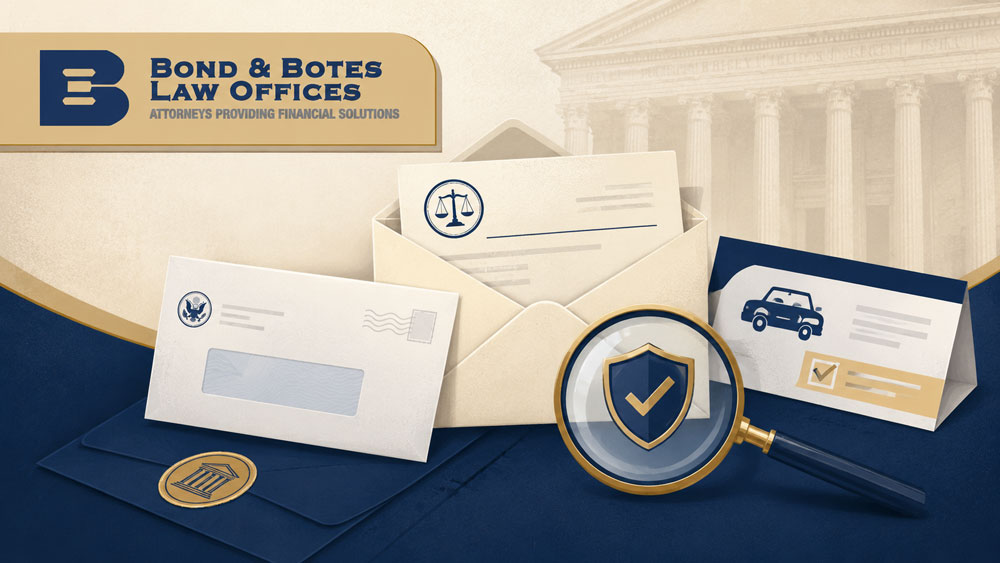
After filing bankruptcy, you may receive letters, emails, or other solicitations from companies offering products or services. Some may advertise the post-filing personal financial management course, also called debtor education. With limited exceptions, an individual debtor must complete this separate course after filing and before receiving a discharge. Before enrolling or paying, contact your Bond & Botes Law Offices attorney to confirm whether you have already completed the requirement and whether the provider is approved for your judicial district. In Alabama, providers are approved by the Bankruptcy Administrator; in Mississippi, providers are approved through the U.S. Trustee Program. Fees vary, so ask the provider to disclose all charges and any available fee waiver or reduction before the course begins.
If you have filed with Bond & Botes Law Offices, our attorneys can help you understand and complete the requirements that apply to your case. For most individual filers, pre-bankruptcy credit counseling must be completed before filing, and a separate debtor education course must be completed after filing to receive a discharge, subject to limited exceptions. Use only an agency or provider approved for your judicial district. Your attorney can help you confirm which course is required, whether the completion certificate has been filed, and what options are available; the bankruptcy court determines whether a discharge is entered.
Official-Looking Solicitations and Vehicle Offers
After you have filed Chapter 7 or another bankruptcy case, some solicitations may look official and may include your case number, filing date, judge, or trustee. Bankruptcy case information is generally available through federal court records, so the presence of those details does not mean the communication came from the court or your attorney. Read the sender information and any advertising disclosures carefully. A vehicle-financing offer, for example, is a commercial solicitation—not a court notice—even when it refers to your bankruptcy case. Do not provide sensitive personal or financial information until you have independently verified the sender and reviewed the offer.
Important case documents may come from the bankruptcy court, the Bankruptcy Noticing Center, your trustee, the U.S. Trustee or Bankruptcy Administrator, creditors or servicers, and your Bond & Botes Law Offices attorney. Do not assume that every unexpected communication is fraudulent, but do not treat it as official merely because it includes case details. If you are unsure about a letter, email, text message, or phone call, do not send money or sensitive information until you have contacted your Bond & Botes attorney or the bankruptcy court using independently verified contact information.
Frequently Asked Questions About Bankruptcy Solicitation Letters
Why did I receive solicitation letters after filing bankruptcy?
Some businesses use publicly available bankruptcy case information to market courses, vehicle financing, or other products and services. A solicitation may mention your case number, filing date, judge, or trustee, but those details do not by themselves make the communication an official court notice.
How can I tell whether a bankruptcy letter is official?
Review the sender, return address, court name, and any advertising disclosures. Compare the communication with information from your attorney or bankruptcy court using contact information that you verify independently; do not use a phone number or link in a suspicious communication until you have confirmed that it is legitimate.
Is debtor education the same as pre-bankruptcy credit counseling?
No. Most individual filers complete credit counseling before filing bankruptcy and a separate debtor education or personal financial management course after filing and before receiving a discharge, subject to limited exceptions.
How do I find an approved debtor education provider in Alabama or Mississippi?
For an Alabama bankruptcy case, the provider must be approved by the Bankruptcy Administrator for the judicial district in which the case was filed. For a Mississippi case, use a provider approved through the U.S. Trustee Program for the applicable judicial district. Confirm the provider's current approval status and the course requirement with your attorney before enrolling.
Should I pay for a debtor education course offered in a solicitation?
Before paying, ask your attorney whether you have already completed the course and whether the required certificate has been filed. Confirm that the provider is approved for your judicial district, and ask for disclosure of all fees and any available fee-waiver or fee-reduction policy before the course begins.
Is a vehicle-financing offer received after filing bankruptcy a court notice?
No. A vehicle-financing or dealership offer is a commercial solicitation, not a court notice, even when it refers to your bankruptcy case. Review the terms carefully, verify the sender independently, and do not provide sensitive personal or financial information until you are satisfied that the offer is legitimate.
What should I do if I am unsure about a bankruptcy-related letter, email, text, or phone call?
Do not send money or disclose sensitive information until the communication has been verified. Contact your bankruptcy attorney or the bankruptcy court using independently verified contact information. Keep in mind that legitimate case documents may also be served by a trustee, the U.S. Trustee or Bankruptcy Administrator, creditors, servicers, or other parties as permitted by court rules.
This post is intended for general information only and does not constitute legal advice. To discuss your specific situation, we encourage you to schedule a confidential consultation with an attorney.